

Rio Carnival
Rio Carnival Street Parties 2027: An Unmissable Experience
Carnival Block Magic: The Essence of Rio's Street Celebrations
The Brazilian Carnival street festival, in Rio de Janeiro, represents the spirit, culture, and vibrancy of Brazil. At the heart of this grand festival are the 'Blocos', i.e., Street Parties - the lifeblood of Rio's Carnival in 2027.
These blocos, or street bands represent the city's diverse communities and their love for music and dance. They have unique rhythms and styles. Their parties are much more casual than the parades in the Sambadrome, now held over three nights with four schools performing per night.
Blocos are a big part of the carnival, attracting locals and tourists with samba, costumes, and energy for many years. Every Bloco provides a special experience for singles, couples, families, or LGBTQIA+ people allowing them to fully enjoy the real Brazilian carnival atmosphere.
But what truly sets these street parties apart is their inclusivity. Everyone, regardless of age, gender, or background, is invited to join in the festivities.
In Rio, different cultures mix on the streets. Samba and modern music blend well, while traditional and modern dances combine. The blocos are where friendships are forged, stories are shared, and memories are made.
As the sun rises and the city lights up, the blocks come alive, turning Rio's streets into a dance floor. Drums fill the air, sequins shimmer, and revelers laugh. As the day progresses, the boundaries between performer and spectator blur, with everyone becoming a part of the carnival magic.
So, if you find yourself in Rio during Carnival 2027, don't just be a spectator. Join a bloco.
Dance to samba beats. Let the city's carnival spirit sweep you away in the heart of the festivities. After all, in Rio, Carnival is not just an event; it's a way of life.
History of the Bloco
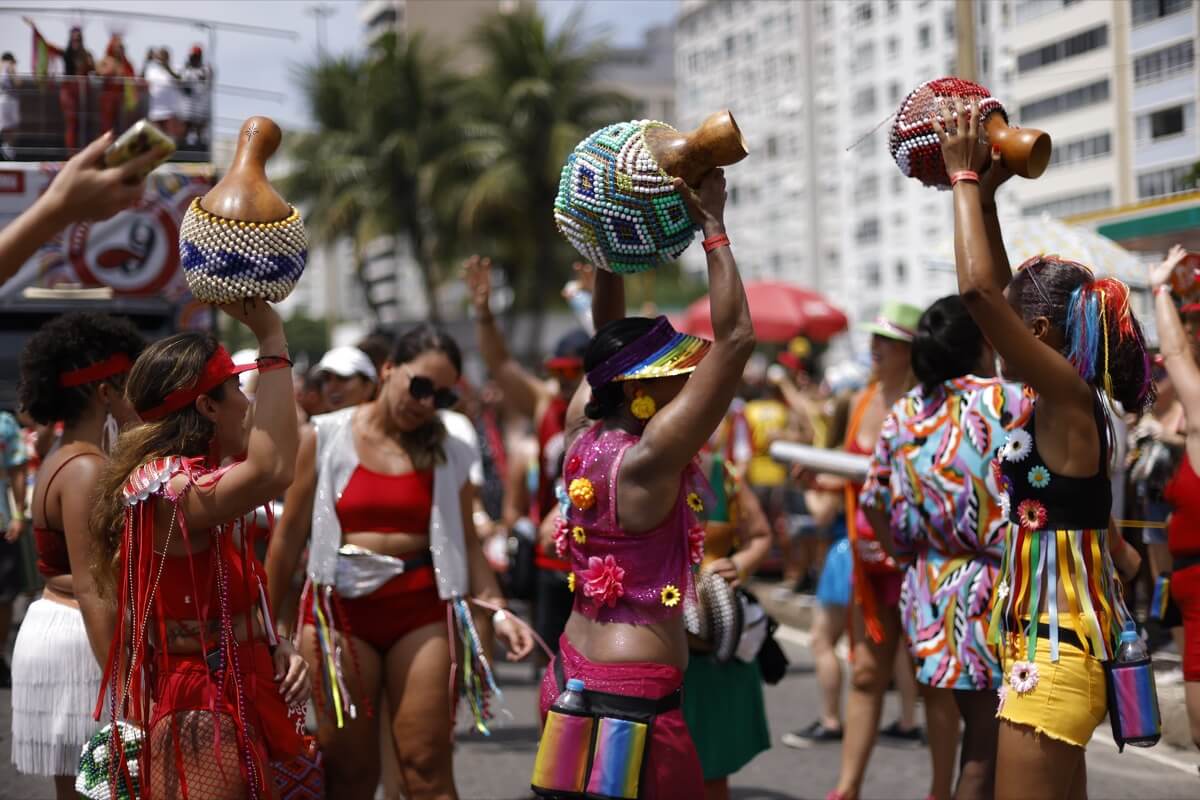
In Rio de Janeiro, samba drums and dancers create a lively atmosphere, leading to the famous Rio Carnival street party. The famous celebration began in the late 1800s. Spirited groups called Cordões gathered during this time. Their purpose was to bring happiness and music to the streets of the city.
The Cordões were special groups. They played music and created dances for the community. These groups are now the basis of today's carnival celebrations on the streets.
The evolution of the Rio Carnival street party is a testament to the city's rich cultural tapestry. Over time, these Cordões transformed into "blocos," free street parties that stream through Rio's streets and plazas during Carnival.
Today, millions of excited people fill the streets of Rio de Janeiro, all wanting to join this amazing party. Rio's Carnival street party is not just a festival. It is a vibrant display of the city's strength, energy, and everlasting passion for music and dance.
Modern Blocos
Today the Blocos form their parades in specific neighborhoods. Each Bloco consists of a musical band and a group of partiers.
The Blocos organize and run block parties during the year. The parades start as early as January and then run through the Sunday after the Carnival. While the Blocos parade in just about every neighborhood, the most popular neighborhoods for these parties are Copacabana, Leblon, Ipanema, Jardim Botanico, and Lagoa as well as downtown.
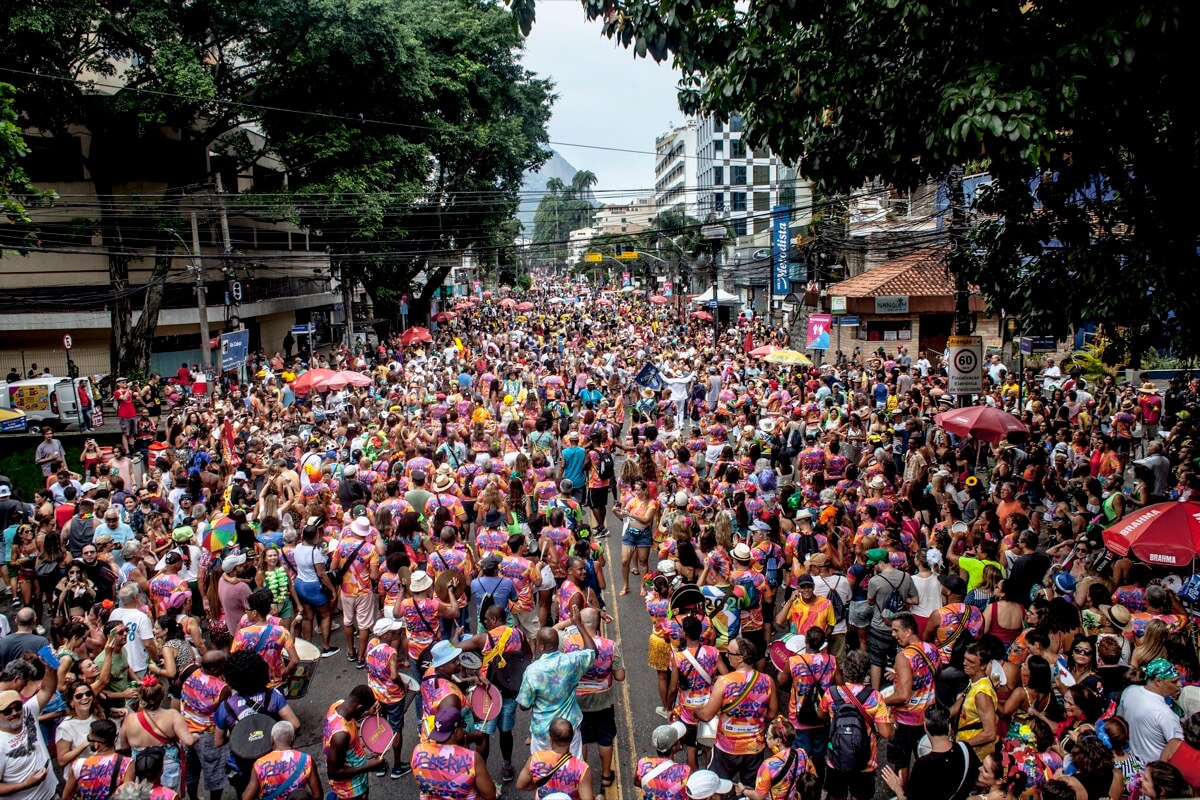
Many of these Blocos write their own theme songs and add classic samba songs to their repertoire. The Cordão do Bola Preta and Céu na Terra are very popular Blocos. One of the oldest Blocos, Monobloco, is so popular that they play concerts year-round.
The Music
If a Bloco includes brass instruments in their band, people call them Bandas or Bands.
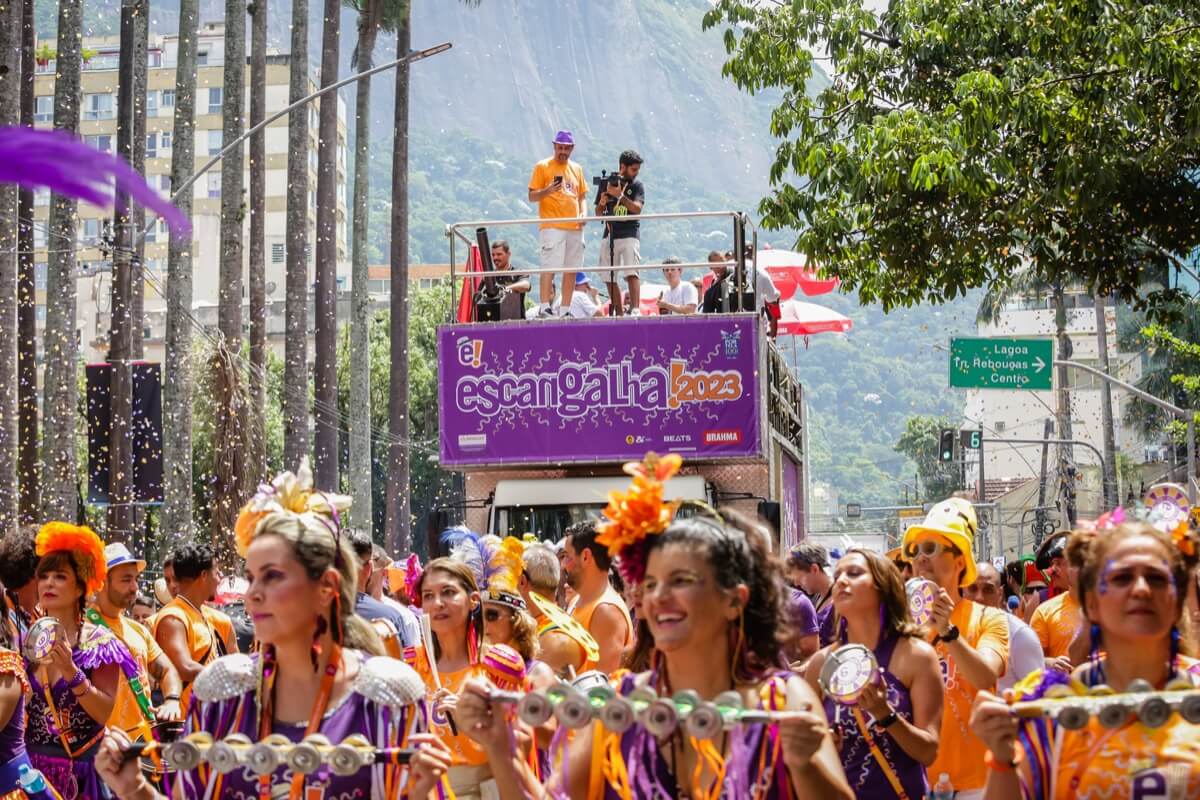
During the parade, the "Blocos" hire a truck. The guitar players and singers ride on the truck, playing their music.
Most of the time the Blocos play samba but bands can play Marchinhas, a polka-like music. Before the addition of samba to the Blocos parades, Marchinhas was the only music played.
The Allure of Rio's Free Street Parties: Dress Light, Dance Bright
One of the most captivating aspects of the Rio Carnival Street Party is its accessibility to all. Unlike many global events that come with hefty price tags, the carnival street parties in Rio are absolutely free to attend. This invite reflects Brazil's hospitable spirit and the all-embracing character of Carnival - a festivity for everyone.
As you step into the vibrant streets, the dress code is refreshingly simple: light and casual. But for those looking to make a statement, the carnival offers a canvas for creativity. Many attendees choose to don customized costumes, adding a personal touch to the sea of colors and styles. Whether it's a simple samba-inspired outfit or an elaborate ensemble that tells a story, the choice is yours.
As you prepare for Brazil's largest festival, keep in mind that the streets of Rio resemble a stage. In this vibrant city, everyone is a star. Come as you are, dance to the rhythm, and let the Carnival spirit take over.
Blocos Sizes
The largest Bloco is Cordão do Bola Preta with over 200,000 people attending their street party. Simpatia é Quase Amor draws about 100,000 people to its carnival celebration. Monobloco holds its party on Copacabana Beach and up to 80,000 revelers attend this Carnival party.
Banda de Ipanema
Banda de Ipanema holds three different days of street parties. These events create an incredible atmosphere that is hard to miss. Revelers join and enjoy the camaraderie and fun that only Rio's Carnival can offer.